8:55 amLast Year, , , , , , , ,

This week last year, there was a good mix of running tips and running news.

11:00 amWorkout Tips, , , ,

Mountain Climber with Frozen Water Bottle by McKay Savage
Photo by McKay Savage
Have you ever been out for a run, opened your water bottle or taken a sip from your hydration pack, and discovered that the water is either frozen or so warm that it is unpalatable? On those days when it is really cold out or really hot out, you need to be sure to keep hydrated but it presents its own difficulties.

There is an easy way to moderate the water temperatures, though, so that the water remains available for a longer period of time over the course of your run.

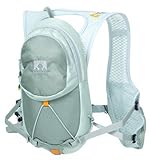
Up until this past year, I rarely carried water with me and never really had to deal with this sort of situation. My first 50k trail race brought home to me the need for carrying your own water, and I purchased both a handheld water bottle and a backpack with a water bottle similar to a CamelBak but manufactured by the North Face. As such, I have had to rely on others for advice when it comes to carrying water.

When you are running in extreme hot or cold temperatures, here are some easy steps that you can take to keep your water potable.

  1. Start with hot or cold water. If it is hot out, put some ice cubes or partially freeze the water before setting out. If it is cold out, use lukewarm water.
  2. Ditch the water bottle. Using a backpack style hydration pack with a bladder instead. In both hot and cold temperatures, it takes longer to freeze or heat a larger volume of water. In the heat, holding a water bottle in your hand is going to warm it up faster than wearing a bladder inside of a backpack on top of your clothes and in the cold you will not be carrying a lump of ice that will freeze your hands.
  3. Position the pack appropriately. In the heat, keep the pack outside of your shirt. In the cold, you can wear the pack in between layers to provide some added insulation.
  4. Clear the hose after each sip. Once you are done drinking from the pack, blow air back into the hose. This will push the water in the hose back into the bladder where it will be slower to heat or freeze. It will also prevent you from losing access to the water in the bladder if your nozzle freezes because there will be less water to block it.
  5. Don’t blow too much air back into the hose. If you blow too much air back into the hose, the air will get into the bladder and the water will slosh around as you are running. Not that that will cause any problems, but it can be a little annoying.

That strategy should work pretty well for most conditions that you would run in.

I learned the tips for running in the heat from Jack Pilla, who beat me by about 15 minutes at the Pisgah race. I learned the cold weather tips yesterday from Ian Parlin. We ran out at Bradbury Mountain on the trails and Ian carried his water with him as he planned on running twice as far as I had been planning on. He got to test the air in the hose trick, which worked out pretty well for him.

I plan on experimenting with my hydration pack on my next long run, as my last few have left my mouth pretty dry by the end of the run. Running in the snow is a lot more work than running on the roads (and a lot more fun.)

2:48 amLast Year, , , , , , , , , ,

This week last year I had marathons on my mind.

  • The Chicago Marathon just can not catch a break these past few years. This year there was the debacle with the heat and canceling the race, but last year Robert Cheruiyot slipped on a race decal and split his head open. His momentum carried his torso over the line, though, and he still won the race. The videos that I linked to last year are still available if you somehow missed this story.
  • Blaine Moore at the finish of the Endurance 50Dean Karnazes ran the Maine leg of his Endurance 50 with his 31st marathon in as many days. I got to watch the start and finish of it, but I did not run. (Photos)
  • Dallen thinks that weekly mileage is a good predictor of when you will hit the wall. I disagree with that assessment, as I have managed to avoid hitting the wall pretty consistently and my weekly mileage is much lower than his. I think that the wall is based more on your fueling strategy as long as you have a basic level of fitness for the distance.
  • In non-marathon running news, Dirigo won the masters cross country championship for the 40-49 category after defeating the Genesee Valley Harriers. One of my college teammates now runs for them, but neither of us are masters yet so we didn’t race. One of my current teammates, Tom Ryan, won the 50+ race in 16:25.
  • Scott and I continued our series on rest with an article on this site about rest between workouts and cross training. Giving your body a chance to repair itself is important if you ever want to improve in your sport.
  • This week two years ago, I described what hyponatremia is and why I do not think that it is worth as much attention as people spend on it. I also reviewed the Marathon Rookie eBook and website, which I believe is a pretty good primer on gearing up for your first marathon.
6:39 amReader Questions, Workout Tips, ,

Question MarkA common question that I have seen on a few forums is how to drink water during a race or during training runs. Knowing when you need water, and how often to drink it, can make or break your race whether you are in the race or still preparing for it. Especially if you do not have a lot of practice at it, you will need to train yourself how to drink on the run or else find a method that will work for you and allow you to stay hydrated.
(Click here to continue reading…)

7:29 pmWorkout Tips, , , ,

a triathlete cooling down by dumping water on his head

Photo by Studeo Grinta
Running in the heat brings with it plenty of perils that you need to watch out for. Here are a few quick tips to keep yourself safe while still getting your exercise for the day.

  • Avoid running during the worst heat. Early in the morning is best, and late evening trumps a lunch time run. Temperatures may not be quite as high, and it will be easier to find shade to run in since the sun will not be as high in the sky.
  • Avoid running with traffic. Your body absorbs up to 8 times more oxygen and pollutants when you breath through your mouth instead of your nose. Try to avoid running with traffic and definately do not run with rush hour traffic. Your lungs will thank you.
  • Drink plenty of water before your run. This should go without saying, but being hydrated before you begin your workout is important. You will have more energy to do the work itself, and your body will not have to work quite as hard to cool itself down.
  • Drink plenty of water during your run. If you can manage it, drink plenty of water while you are working out. The ultimate goal is to weigh the same after your run as you did before your run, but this is especially difficult on hot days. If you have extra water you can dump some over your head or shoulders, but be sure that you have had plenty to drink first. Your body will cool off better if you consume the water instead of splashing yourself with it.
  • Slow down. In extreme heat, you will require more effort for a slower pace. Don’t try to push it, and if you start to feel dizzy or nauseous then you should immiediately slow down or even stop.
  • Wear sunscreen. If it is sunny out, wear some sunscreen that will stay on through your sweat. It will help prevent your skin from getting burned (which will decrease the likelihood of getting cancer later in life) and can help provide another layer between your skin and the hot air. It won’t keep you cool on its own, but every little bit helps.
  • Wear technical fabrics. Cotton and sweat are a bad combination; wear technical fabrics such as gore-tex that will wick the sweat away from your body. Cotton absorbs the sweat which will then provide an extra layer of insulation that you do not need. Technical fabrics wil help keep you cool, and will help prevent chafing and blisters.

This is by no means an exhaustive list, but it is a quick list of the easiest steps to keeping cool if you are going to run in the heat.

11:41 pmFood & Beverage, Workout Tips, ,

Wes recently asked me about how to hydrate for a half marathon:

Blaine, we have a bunch of folks that are getting ready to get into their longer runs on Team HM Express (teamhmexpress.blogspot.com). Do you have any articles on hydration and nutrition while running over (x) miles?
[...] This is primarily for folks training for a half marathon. Thanks!

My advice on hydration is always the same, because I always hydrate the same whether my goal race is a 5k, a marathon, or I am in my off season and just lifting some weights. I very rarely have more than a week or so off at any given point unless I am sick, and then I drink even more water in an effort to drown whatever has me down. If it is true that thirsty people feel more pain, then you will want to be sure to keep well hydrated any time that you are getting ready for a good workout or race.
(Click here to continue reading…)

9:48 pmSports, Workout Tips, , , , ,

Now that you know what to pack for the starting line and what to pack for the finish line, you need to figure out what you need to actually do the week before you get to the starting line. Your original goal setting should have been done before you planned your training, and I am going to assume that you have done the training and are in the last week of your taper before the race.

Here are 9 things to do during the week before your race:
(Click here to continue reading…)

10:14 amWorkout Tips, , ,

When you finish a race or a tough workout, remember that you need to rehydrate yourself. Otherwise, you will be tired and may get sick later in the day. A tough workout or a race can lead to overextending yourself and becoming dehydrated, no matter how well hydrated you are at the start. It is difficult to drink enough water during a workout or especially during a race to keep yourself completely hydrated. It is not hard to keep yourself hydrated enough to not have to worry about a drop in performance and to finish your event, but you still need to drink a lot of water afterwards.

As an example, I ran the Beach to Beacon yesterday. Despite drinking plenty of water after the race, I knew that I was a bit dehydrated but I did not have an opportunity to consume more liquids for a few hours once we had left the finish area. When my fiance and I got home, she had a headache and took a nap, but I stayed up and neglected to consume enough liquids. Yesterday afternoon, I was exhausted and had a headache of my own. Some nausea and tight muscles in my back and shoulders also accompanied the headache. Had I drank a few more glasses of water or Gatorade, I probably would not have felt so terrible for most of the night.

The moral of this story is to try to remember to keep yourself hydrated when you finish your race or workouts. Most of the time, we only consciously think about staying hydrated before our races, and it is only an afterthought (if we think of it at all) after a race.